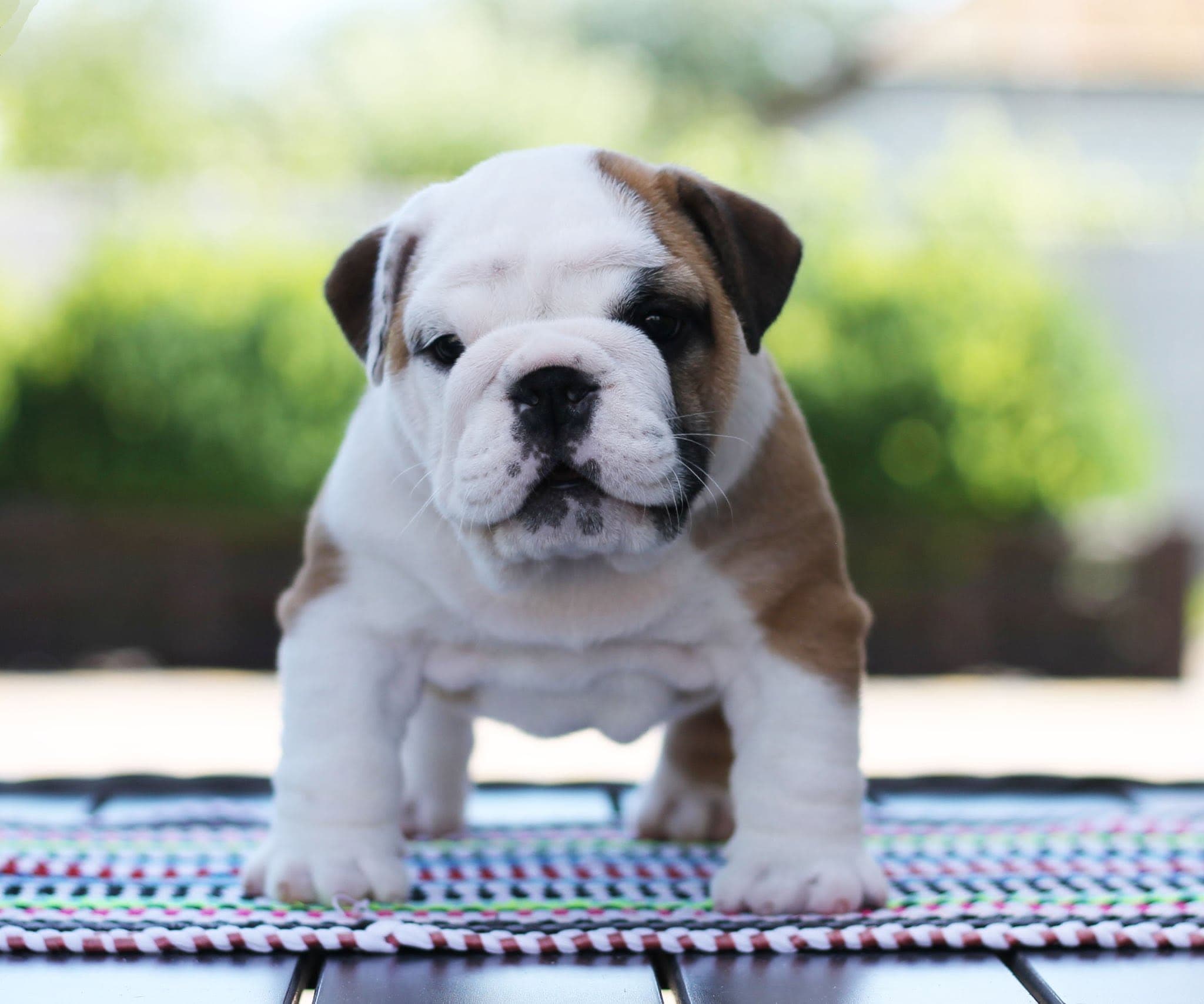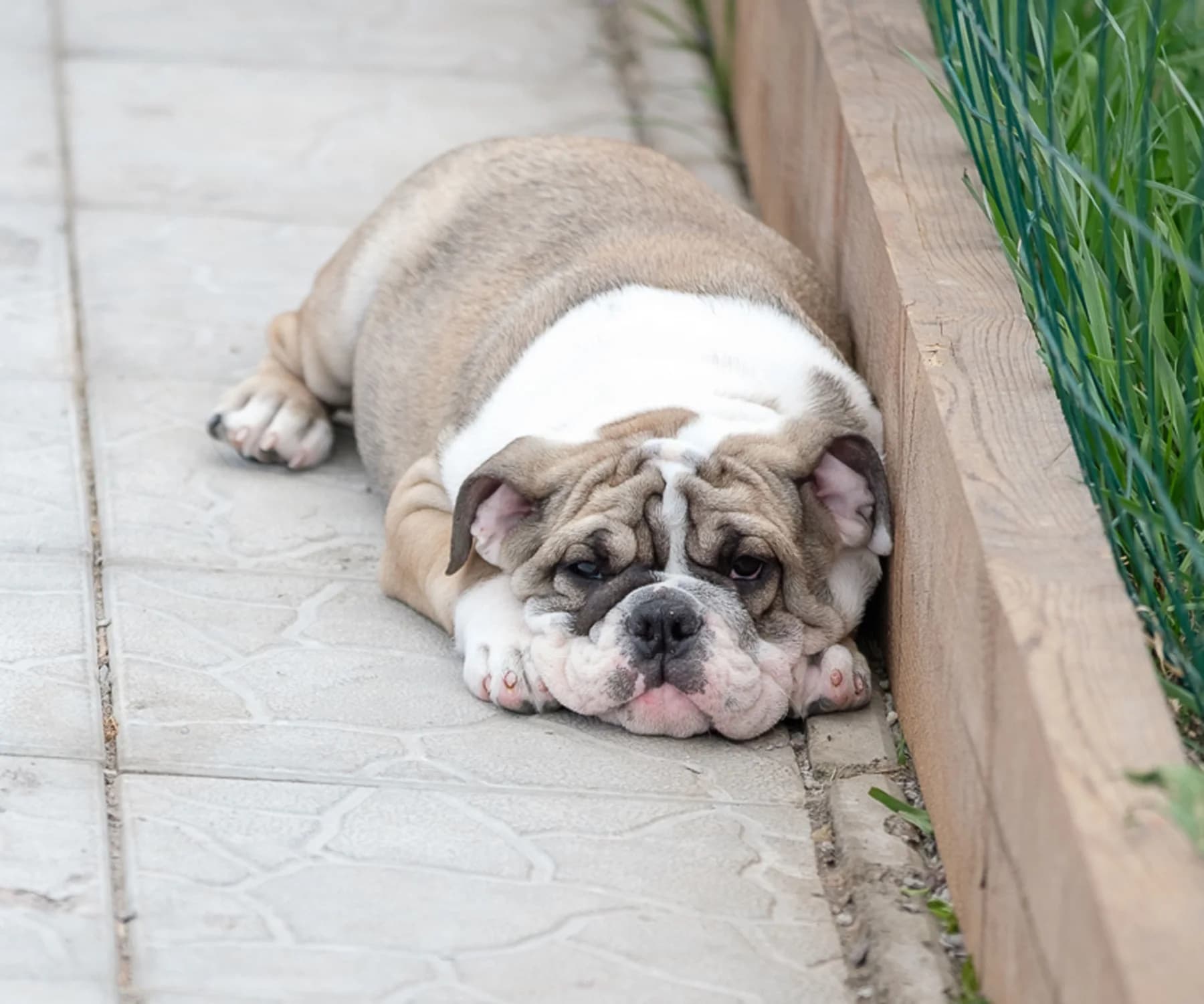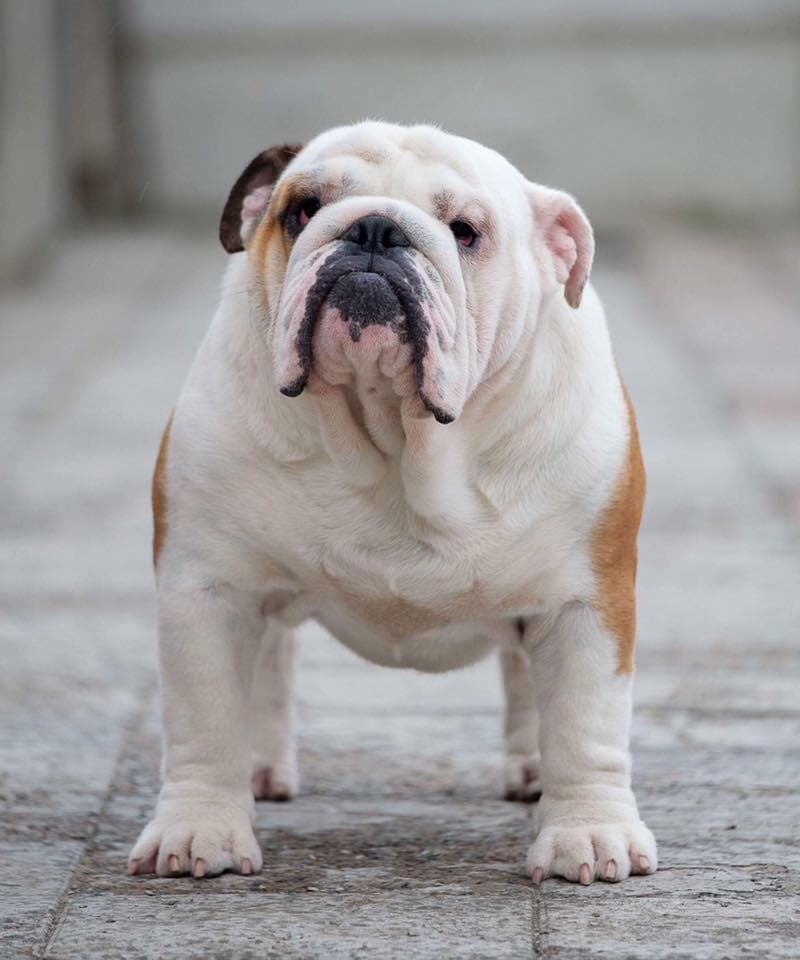
What to observe at home
- The sound and effort of breathing at rest and during sleep.
- How quickly the dog recovers after a short walk.
- Whether the dog wakes, sits up or sleeps with an open mouth to breathe.
- The response to warm and humid weather.
How BOAS is assessed
A veterinarian assesses nostrils, respiratory noise, chest effort and tolerance of controlled exercise. Functional assessment matters more than appearance. Significant impairment should be discussed with a clinician experienced with brachycephalic breeds.
When it is an emergency
Laboured breathing at rest, blue or grey gums, weakness, collapse or inability to cool down require an immediate call to the clinic and departure.
Sources and useful links
This material is adapted for owners. Follow the links to check the original sources.