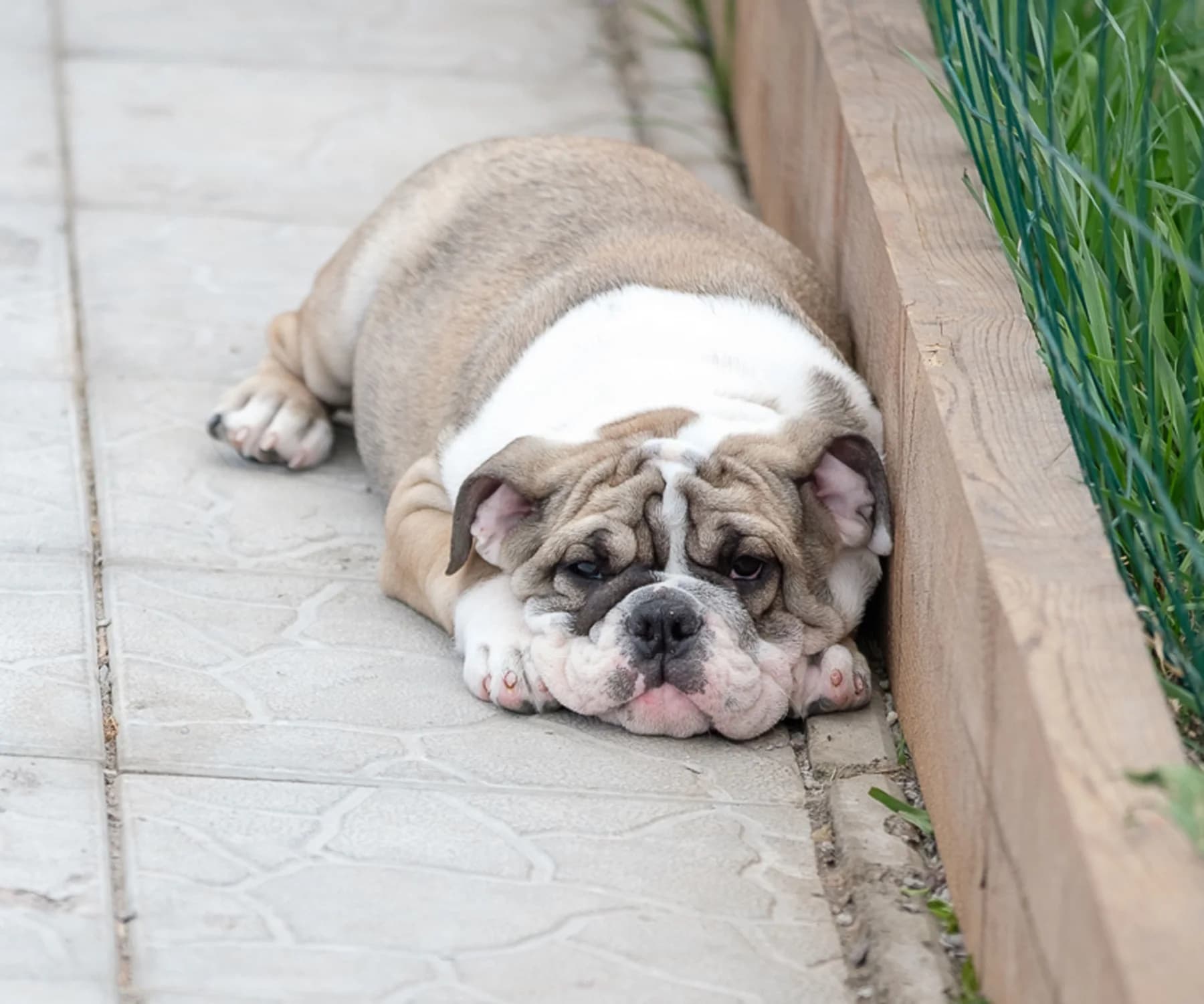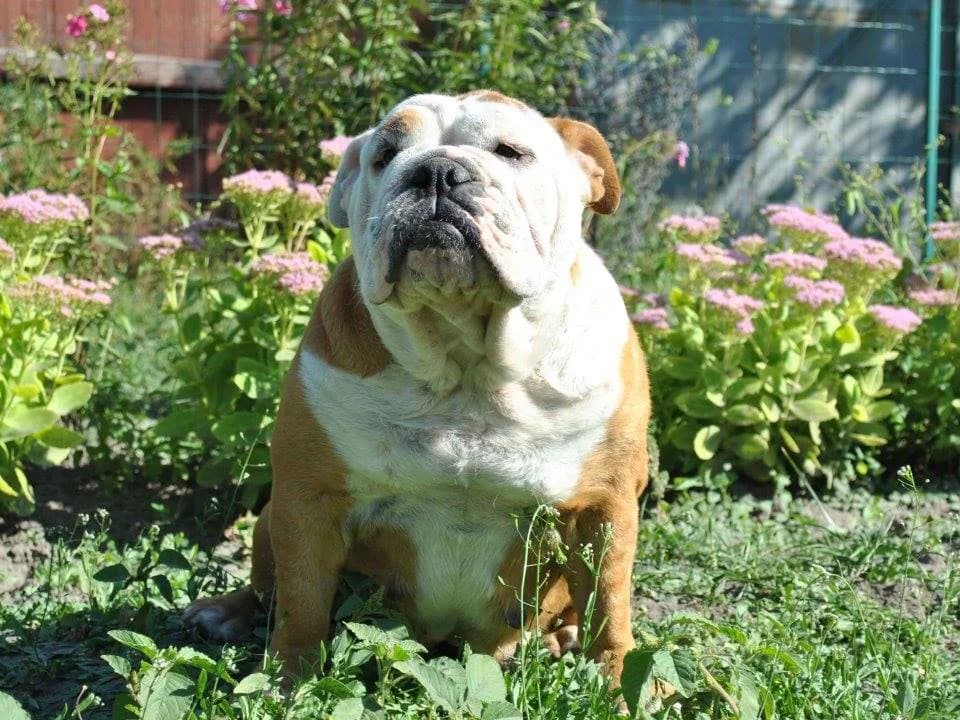
Create an individual baseline
Record short videos of walking, rising after sleep and breathing at rest. Once a month, note weight, appetite, sleep, stamina and willingness to interact. Gradual changes are easier to see in a record than from memory.
Make the home easier to navigate
- Non-slip runners where the dog stands and turns.
- A soft, dry bed without a high edge.
- A ramp or assistance instead of jumps and steep stairs.
- Shorter but regular walks during cool hours.
Do not dismiss changes as old age
Pain, night-time restlessness, confusion, coughing, laboured breathing, weight loss, excessive thirst, new accidents indoors or refusing food needs assessment. Agree with your veterinarian how often to review the dog and which simple quality-of-life markers to follow.
Sources and useful links
This material is adapted for owners. Follow the links to check the original sources.