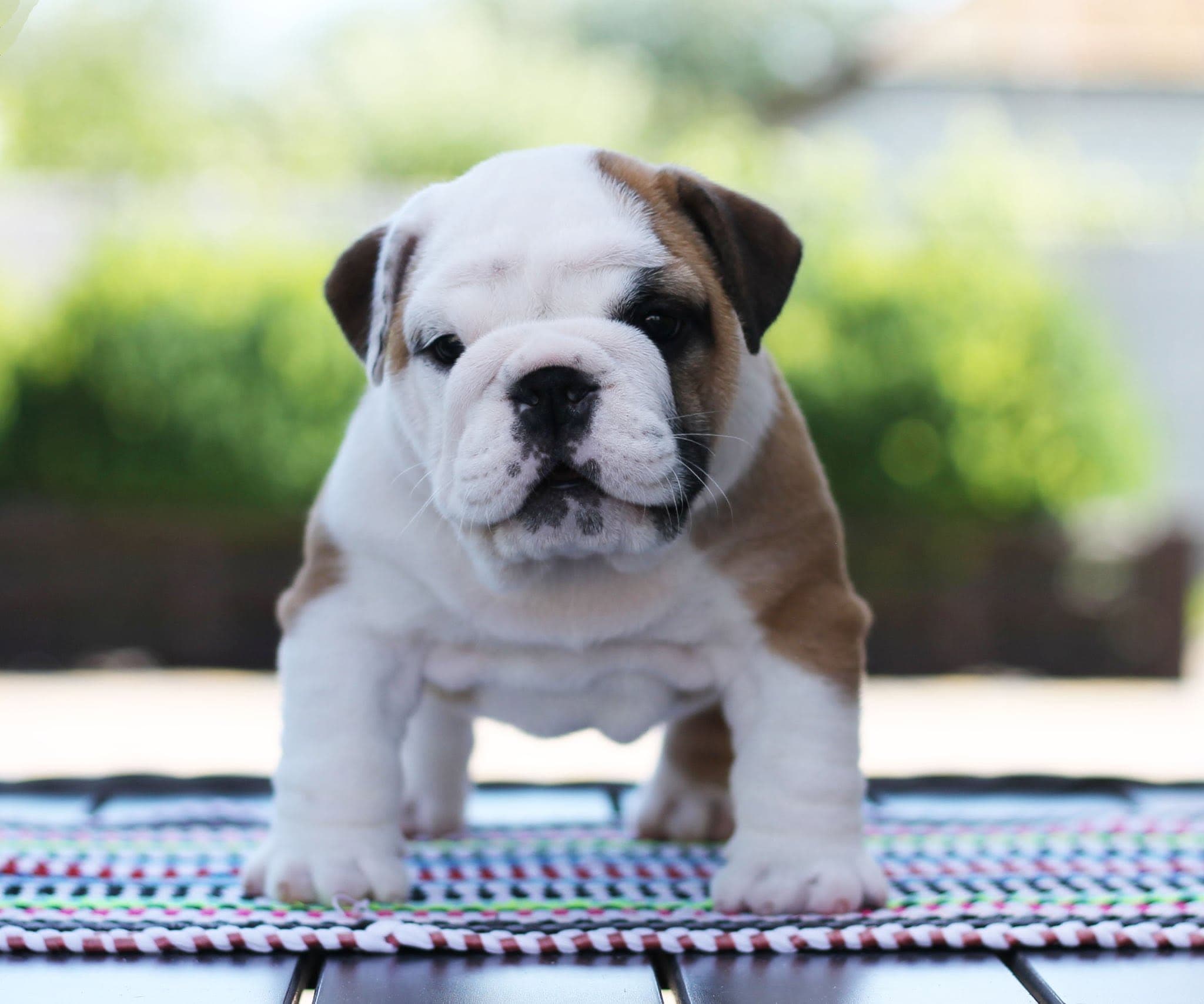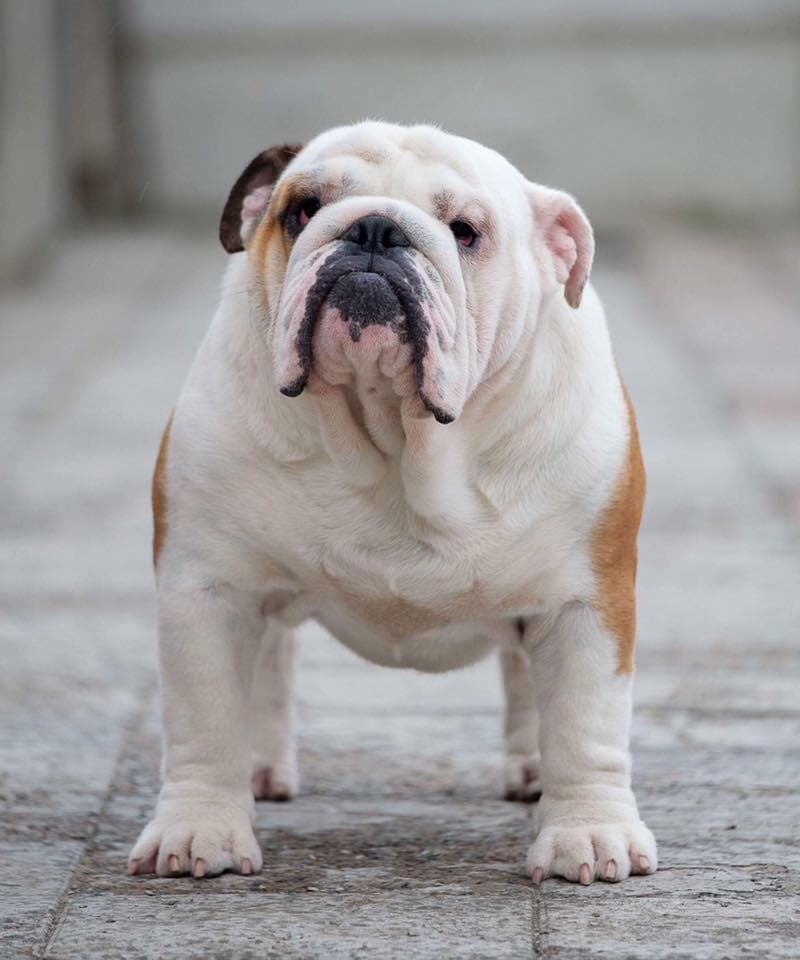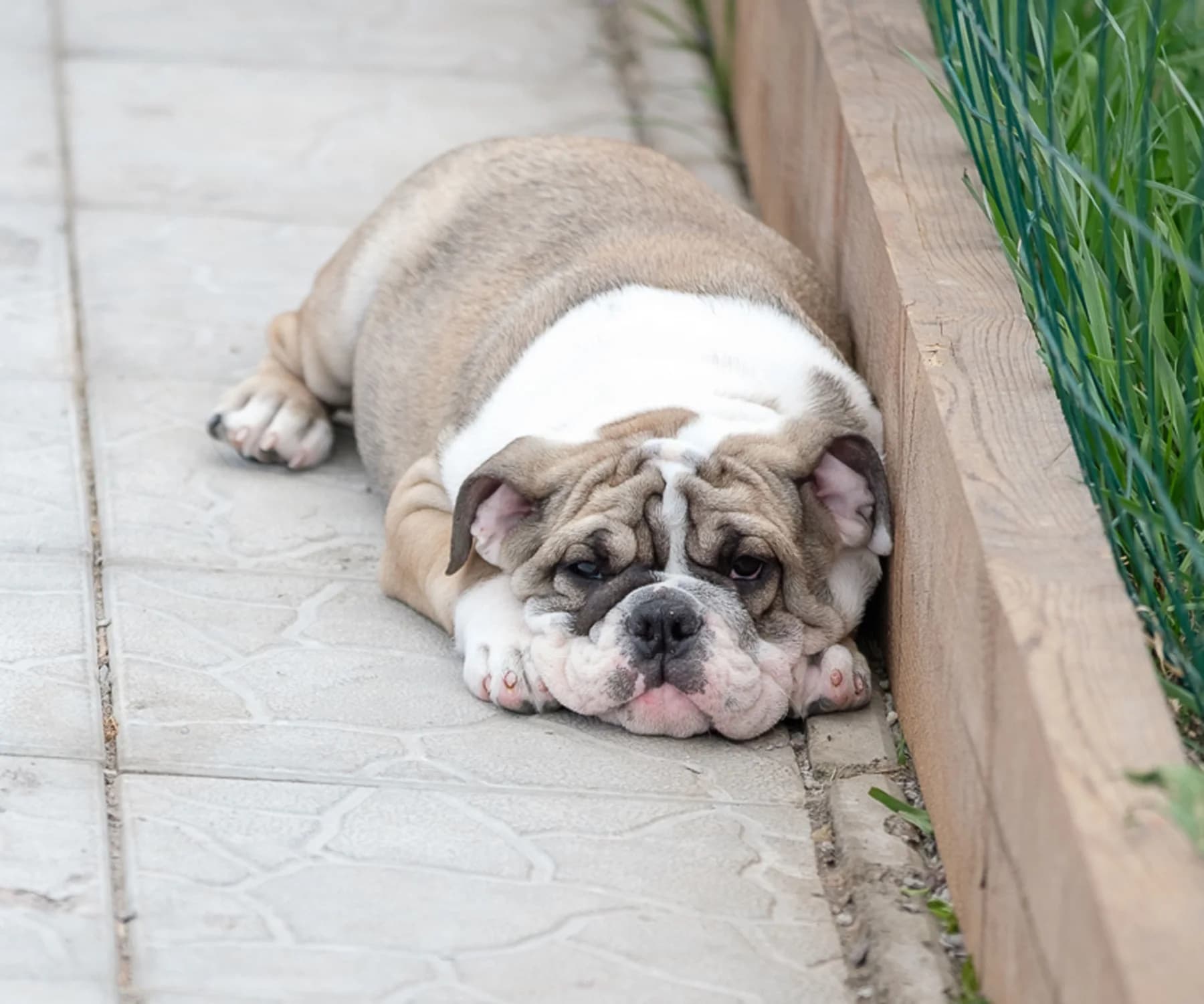
Move regularly and moderately
- Choose several shorter outings over one exhausting walk.
- Use non-slip surfaces and avoid repeated jumping from stairs or furniture.
- Allow sniffing and rest: a walk does not need to be fast.
Watch breathing, not only tiredness
Stop if breathing noise increases, the dog braces the front legs, stretches the neck, falls behind or takes a long time to recover. Marked exercise intolerance needs a BOAS assessment.
Heat changes the plan
In warm or humid weather, go in the cool morning or evening, shorten the route and carry water. If the dog cannot cool down, this is no longer exercise; it is an emergency.
Sources and useful links
This material is adapted for owners. Follow the links to check the original sources.